• A Place for Real Stories, Recipes, and Support

    If you have IBS, you know it’s not just about stomach issues — it touches every part of daily life. For years, I struggled with IBS-D on a daily basis, trying different solutions to “fix” it. Eventually, I realized that instead of constantly chasing a cure, I needed to learn to live with IBS — to regain freedom in my life, even with the unpredictability it brings.

    “Cozy outdoor porch with a couch, pillows, blankets, fire in the fireplace, warm hanging lights, and plants on a table and beside the couch”

    My IBS Story

    My journey started when I was young but I will never forget my experience when I was 13. It was Thanksgiving — a delicious meal, laughter, and family all around. After dinner, my cousin and I decided to take my dog for a walk. Unfortunately, I didn’t make it home in time. I had to awkwardly rush down the stairs and change, hoping no one noticed.

    Now, in my thirties, I still carry the fear of it happening again. Over the years, there have been other incidents that reinforced this anxiety, and it has often kept me from going out, socializing, or enjoying community activities. Especially in new place or places where I am unsure if there is a washroom around.

    IBS has a way of making you feel isolated. Many of my friends understand I get sever stomach pain, but it’s hard to explain the full impact. I often felt alone — unsure, frustrated, and disconnected.

    “A calm, homey scene with a cup of tea and soft light, conveying comfort and reflection”

    Finding Community

    Recently, I started talking to a friend’s friend who also has IBS. Sharing stories, laughing at relatable experiences, and realizing I wasn’t alone changed everything. It made me understand: it’s not me, it’s IBS. That sense of relief, of being understood, was powerful — and it’s exactly what inspired me to start IBS Unfiltered.


    “Two friends laughing and talking together, representing sharing stories and community”

    What IBS Unfiltered Is All About

    This blog is a place to:

    • Connect: Share your personal IBS journey and read others’ stories
    • Support: Learn from people who truly understand what living with IBS is like
    • Discover: Find tried-and-true IBS-friendly recipes and advice
    • Inspire: Reclaim life, confidence, and community despite IBS

    Whether you’re newly diagnosed or have been managing IBS for years, this is a space where you can feel seen, supported, and understood.


    Join the Community

    I invite you to explore the site, read stories, share your own experiences, and try recipes that have helped others. Together, we can normalize living with IBS, share what works, and create a community where no one feels alone.
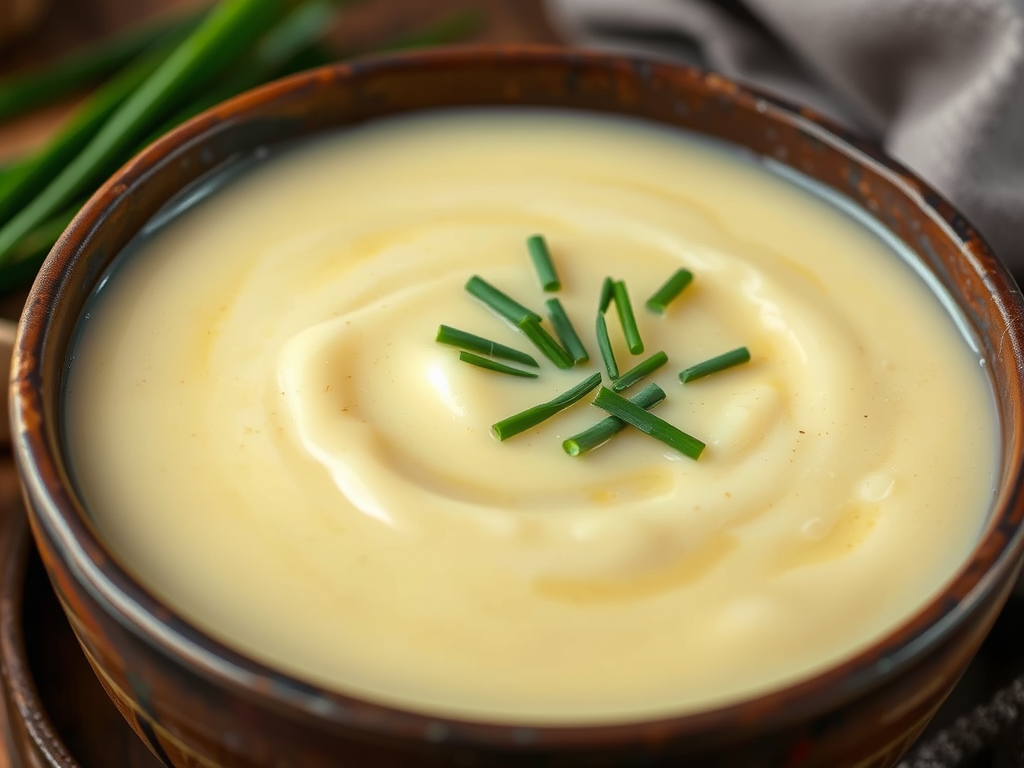
  • Serving Size

    • Serves 3–4 people
    • Makes about 4 cups

    Time

    • Prep: 10–15 minutes
    • Cook: 25–30 minutes
    • Total: ~40 minutes

    Ingredients

    Soup base

    • 2 tbsp dairy-free butter or olive oil
    • 2 medium carrots, peeled and diced (optional but adds sweetness)
    • 4 medium potatoes (Yukon Gold or russet), peeled and diced
    • 3½–4 cups low-FODMAP vegetable broth or chicken broth
    • 1 cup unsweetened dairy-free milk (almond, oat, or rice)
    • ½ tsp salt (start light)
    • ¼ tsp black pepper
    • ¼ tsp dried thyme or rosemary (optional)

    For flavor (IBS-safe)

    • 1–2 tbsp garlic-infused oil (safe flavor without FODMAPs)
    • 1 tbsp nutritional yeast (optional, adds “creamy/cheesy” depth)

    Optional toppings (IBS-friendly)

    • Chives or green onion tops only
    • Crumbled gluten-free crackers
    • Extra DF butter swirl

    Instructions (Beginner-Friendly)

    1. Heat a pot over medium heat.
    2. Add dairy-free butter or oil. Once melted, add carrots (if using).
      • Cook 5 minutes, stirring occasionally, until softened.
    3. Add diced potatoes, salt, pepper, and herbs.
    4. Pour in broth until vegetables are just covered.
    5. Bring to a gentle boil, then reduce to a simmer.
      • Cook 15–20 minutes, until potatoes are very soft.
    6. Turn off heat. Add dairy-free milk, garlic-infused oil, and nutritional yeast.
    7. Blend:
      • Use an immersion blender directly in the pot, OR
      • Carefully blend in batches in a regular blender.
    8. Taste and adjust salt. Add a splash of milk if too thick.
    9. Serve warm.

    IBS Tips (Important!)

    • ❌ No onion, garlic, leek, or shallot
    • ✅ Garlic-infused oil is safe
    • Start with small servings if you’re sensitive to potatoes
    • Yukon Gold potatoes tend to be gentler than russets

    Easy Variations (Still IBS-Safe)

    • Extra creamy: Blend in ¼ cup canned coconut milk (the thin part)
    • Protein boost: Add shredded chicken after blending
    • Herby: Bay leaf while simmering (remove before blending)
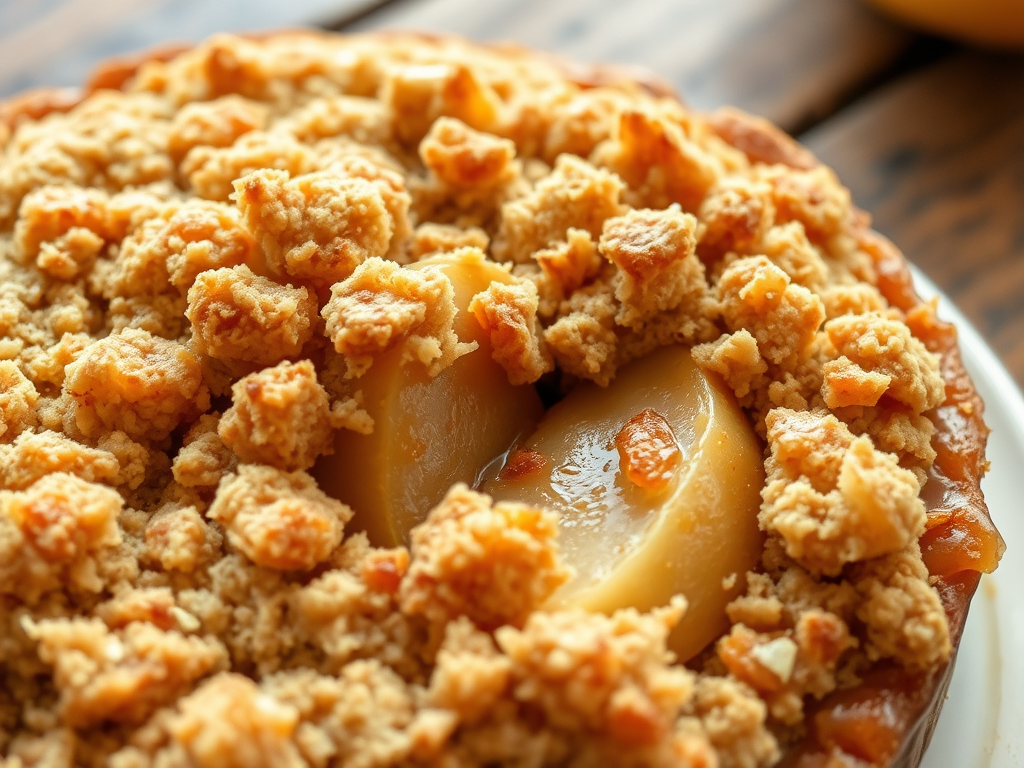
  • A warm, comforting dessert that’s tummy-sensitive, flavorful, and satisfying.

    Serving Size

    • Serves 2–3 people

    Total Time

    • Prep time: 10 minutes
    • Cook time: 35–40 minutes
    • Total time: ~45–50 minutes

    Ingredients

    For the baked pears

    • 3 ripe pears (Bartlett or Anjou)
    • 1½ tbsp maple syrup
    • ½ tsp cinnamon
    • ¼ tsp ground ginger (optional)
    • 1 tsp vanilla extract
    • 1 tbsp water

    For the oat crumble

    • ⅓ cup rolled oats
    • 1½ tbsp almond flour (or finely ground oats)
    • 1 tbsp maple syrup
    • 1 tbsp coconut oil or butter, melted
    • Pinch of salt

    For the topping

    • ½ cup plain lactose-free or dairy-free yogurt
    • ½ tsp vanilla
    • Optional drizzle of maple syrup

    Instructions

    1. Preheat oven to 375°F (190°C).
    2. Slice pears in half, remove cores, and place cut-side up in a baking dish.
    3. Drizzle pears with maple syrup, vanilla, cinnamon, ginger (if using), and water.
    4. In a small bowl, mix oats, almond flour, maple syrup, melted oil/butter, and salt until crumbly.
    5. Sprinkle crumble evenly over pears.
    6. Cover loosely with foil and bake for 25 minutes.
    7. Remove foil and bake an additional 10–15 minutes, until pears are very soft and topping is golden.
    8. Stir vanilla (and maple syrup if desired) into yogurt.
    9. Serve pears warm with a spoonful of yogurt on top.

  • Servings: 4
    Prep time: 10 min
    Cook time: 25 min

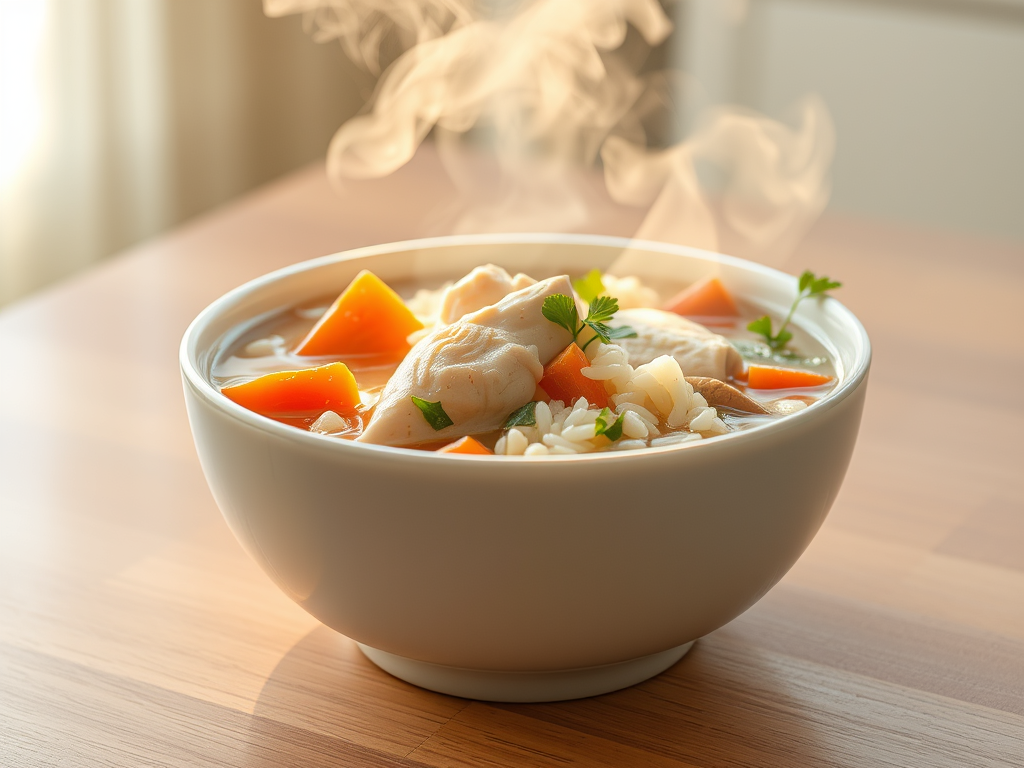
    Ingredients:

    • 1 tablespoon olive oil
    • 2 medium carrots, peeled and diced
    • 1 zucchini, diced
    • 1 cup green beans, chopped
    • 1 pound boneless, skinless chicken breast, cut into small cubes
    • 6 cups low-FODMAP chicken broth (ensure no onion or garlic)
    • 1 cup cooked white rice
    • Salt and pepper to taste
    • Optional: small handful of fresh parsley for garnish

    Instructions:

    1. Heat olive oil in a large pot over medium heat. Add the carrots, zucchini, and green beans. Sauté gently for 5–7 minutes until slightly softened.
    2. Add the chicken cubes to the pot and cook until lightly browned on all sides.
    3. Pour in the low-FODMAP chicken broth and bring to a gentle boil. Reduce heat to a simmer and cook for 15 minutes, until the chicken is fully cooked and the vegetables are tender.
    4. Stir in the cooked rice and season with salt and pepper to taste.
    5. Serve warm, garnished with parsley if desired.

    Why it’s IBS-friendly:

    • Uses low-FODMAP vegetables and broth to reduce gas and bloating.
    • Gentle on the stomach, easy to digest.
    • Provides lean protein and complex carbs without irritating fibers or additives.

  • An anonymous member shared this story with us. Who can relate to the struggle of getting a diagnosis? I know I sure can!

    For years, I thought my stomach pain was just “stress.” That’s what everyone told me — doctors, friends, even myself. I’d have days where I couldn’t leave the house without scoping out every restroom on the way. My stomach would twist into knots after meals that seemed harmless, and I’d be left wondering what I did wrong this time.

    The hardest part wasn’t just the physical pain — it was the shame. Trying to explain to coworkers why I missed meetings, or telling friends I couldn’t make dinner plans again, felt impossible. I became an expert at hiding it.


    Eventually, after too many “normal” test results and dismissive answers, I found a gastroenterologist who really listened. Getting diagnosed with IBS was both a relief and a heartbreak — relief that it had a name, heartbreak that it might never go away.
    If you’re struggling, please know you’re not alone. Your body isn’t broken, and your story matters.

    -Anonyms

  • Hi friends, A year ago, my IBS took over my life. I went from eating anything I wanted to fearing every meal. Some days I was fine, others I’d be bloated and in pain for hours. For months, my “safe” foods were plain rice, oatmeal, and eggs. I cried in the grocery store more than once, just missing the freedom of eating without worry. I still have tough days, but I’ve stopped blaming myself for every flare. IBS isn’t just about digestion — it affects your mood, energy, and confidence. To anyone struggling right now: take it one meal at a time. You’re not alone, and your body will find its balance again.

    ❤️
    • Jamie
  • I’ll never forget the time IBS completely humiliated me at a work conference. I had been preparing for weeks for this big presentation—slides polished, outfit picked out, coffee carefully rationed. Everything was perfect… until my stomach decided it wasn’t.

    It started with the usual warning signs: a subtle gurgle here, a mild cramp there. I tried to ignore it, thinking I could “tough it out.” Bad idea. By the time I walked into the packed conference room, my stomach was staging a full-blown rebellion.

    Halfway through my presentation, I felt the unmistakable “oh no” moment. I shifted my weight, hoping no one would notice the urgency. Spoiler: they did. There’s no graceful way to handle IBS when you’re standing in front of 200 people and suddenly every slide feels like it’s mocking you.

    I made it to the bathroom—thankfully—just in time. But the aftermath? Let’s just say I spent the rest of the day in a shameful cycle of bathroom trips, ginger tea, and apologizing for disappearing mid-session.

    The worst part? I realized later that most people were too absorbed in their own presentations (or snacks) to notice anything at all. Still, the memory of that day has stuck with me—not as a “humiliation story,” but as a reminder that IBS is unpredictable, relentless, and sometimes hilariously inconvenient.

    The good news? It also taught me to plan ahead, pack emergency supplies, and—most importantly—have a sense of humor about the chaos my digestive system sometimes creates.

  • These are by far my favourite pretzels!! I could eat an entire bag myself!

    Prep Time: 15 minutes
    Cook Time: 30-40 minutes
    Makes: About 4 cups

    Ingredients

    • 4 cups miniature pretzels
    • 1 cup unsalted butter
    • 1 cup granulated sugar
    • 2 tablespoons water
    • ½ teaspoon coarse salt
    • ½ teaspoon vanilla extract

    Optional FODMAP-friendly substitutions:

    • Butter: Use ghee or lactose-free butter.
    • Sugar: Coconut sugar or maple sugar works well.
    • Pretzels: Choose gluten-free pretzels if you’re sensitive to wheat.

    Instructions

    1. Prepare your pan:
      Preheat your oven to 200°F. Lightly spray a baking sheet with nonstick cooking spray and set aside.
    2. Make the toffee:
      In a medium heavy saucepan, melt the butter, sugar, water, and salt over medium-low heat. Stir often with a wooden spoon until fully combined.
    3. Cook the mixture:
      Bring the mixture to a boil, then reduce the heat to medium-low. Continue cooking until it reaches 305°F (use a candy thermometer). Remove from heat and stir in the vanilla extract.
    4. Coat the pretzels:
      Working quickly, pour the hot toffee over the pretzels (or if you used a large enough pot add pretzels to pot) and stir to coat evenly. Using a toothpick or fork, transfer pretzels a few at a time to the prepared cooling rack. Lay them side by side without touching.
    5. Bake to dry:
      Bake at 200°F for 20–30 minutes to ensure the toffee dries and won’t be sticky.
    6. Cool completely:
      Transfer pretzels to a cooling rack to cool completely. For the best crunch, let them sit uncovered overnight on the counter.
    7. Store:
      Keep in an airtight container for up to 3 weeks.
  • Serves: 4
    Prep: 5 min • Cook: 25 min • Difficulty: Easy

    Ingredients

    • 1 cup short-grain rice
    • 4 cups lactose-free milk
    • 2 tbsp sugar or maple syrup
    • 1 tsp cinnamon

    Instructions

    1. Combine all ingredients in a pot.
    2. Simmer 20–25 minutes, stirring often.
    3. Serve warm with extra cinnamon.

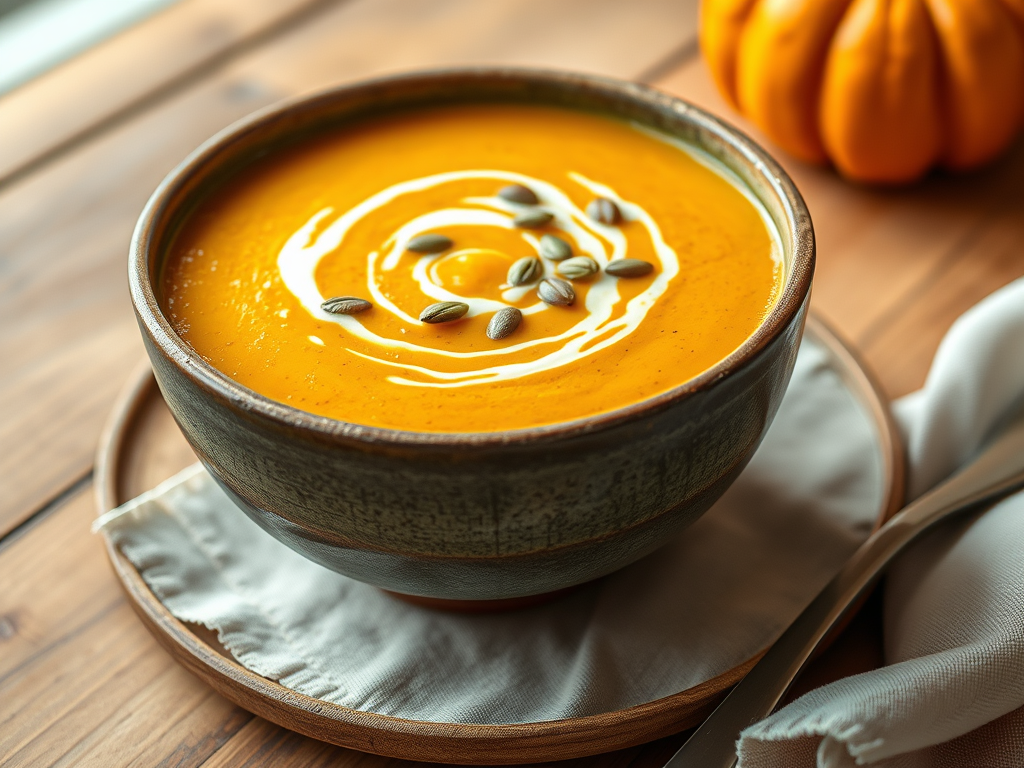
  • Serves: 6
    Prep: 10 min • Cook: 30 min • Difficulty: Easy

    Ingredients

    • 1 kg pumpkin, cubed
    • 2 carrots, sliced
    • 1 tbsp olive oil
    • 1 tsp ginger
    • 3 cups low-FODMAP stock
    • ¼ cup lactose-free cream
    • Salt & pepper

    Instructions

    1. Roast pumpkin + carrots 25 minutes at 200°C (400°F).
    2. Blend roasted veg with stock.
    3. Heat in a pot; add cream, ginger, salt & pepper.

  • Serves: 4
    Prep: 10 min • Cook: 15 min • Difficulty: Easy

    Ingredients

    • 500g beef mince
    • ½ cup gluten-free breadcrumbs
    • 1 egg
    • 1 tsp rosemary
    • ½ tsp salt
    • Pepper

    Instructions

    1. Mix all ingredients in a bowl.
    2. Form 12–14 meatballs.
    3. Pan-fry 10–12 minutes, turning often.